
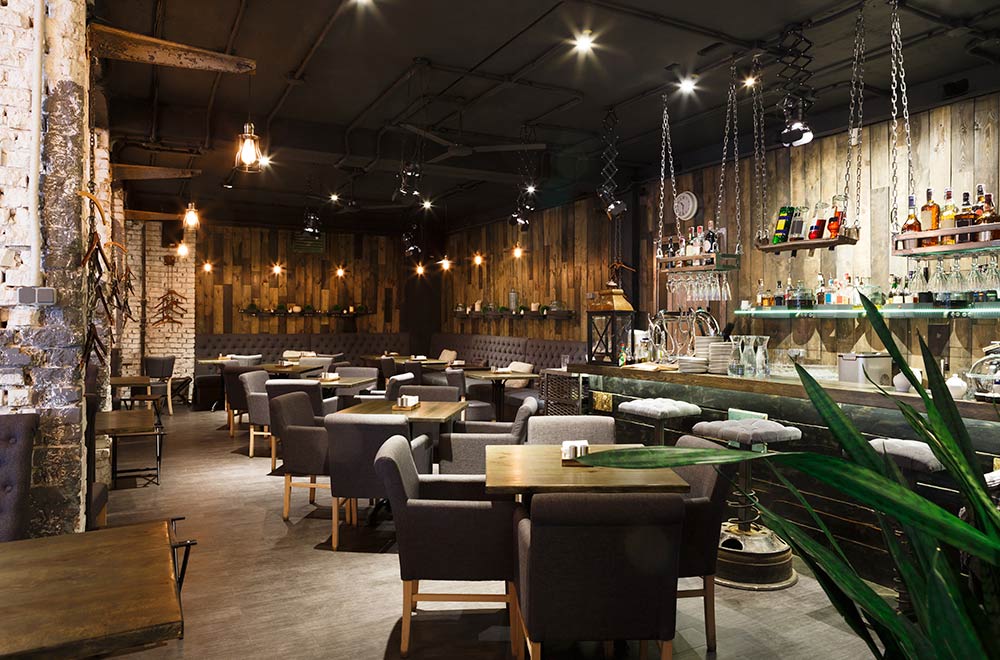
The Importance of Ambiance in a Successful Cafe Business
The specialty coffee industry has expanded far beyond the simple transaction of buying a caffeinated beverage. In a crowded marketplace where high-quality espresso machines and premium beans are readily accessible to consumers at home, coffee shops no longer compete solely on the flavor profiles of their roasts. Instead, the modern cafe operates as a sensory ecosystem. Success hinges heavily on a variable that cannot be poured into a cup: ambiance.
Ambiance is the atmospheric shorthand for how a space makes a person feel. It is the cumulative effect of interior design, lighting, acoustics, furniture layout, and even olfactory cues working together to create a distinct identity. For a cafe business, this environment is a vital driver of operational revenue, brand loyalty, and customer retention. When executed correctly, ambiance transforms a transient stop for a morning latte into an intentional destination where patrons choose to spend hours of their day.
The Psychology of the Third Place
To understand why atmosphere dictates the commercial success of a coffee shop, one must look at the sociological concept of the Third Place. Coined by urban sociologist Ray Oldenburg, the third place represents the social surroundings separate from the two primary environments of home (the first place) and work (the second place).
A successful cafe establishes itself as the ultimate third place. It offers a neutral ground that provides psychological comfort, a sense of community, and an escape from the stressors of domestic and professional responsibilities. The ambiance acts as the invitation to enter and remain in this space. If the environment feels sterile, overly loud, or poorly lit, the psychological contract of the third place is broken. Customers will treat the establishment as a utility, purchasing their drink and leaving immediately, which ultimately lowers the average ticket size and eliminates the opportunity for secondary purchases like pastries, merchandise, or lunch items.
Lighting as a Spatial and Emotional Anchor
Lighting is arguably the most critical architectural element in shaping consumer behavior within a hospitality space. It sets the immediate biological and emotional tone from the second a patron crosses the threshold. Improper lighting can completely ruin an otherwise beautiful interior design scheme.
Cafes must balance two primary forms of lighting to establish an effective ambiance:
-
Natural Light: Maximizing daylight through large windows or skylights is essential for daytime-centric establishments. Natural light boosts serotonin, opens up smaller footprints visually, and makes a space feel clean, vibrant, and welcoming.
-
Artificial Warmth: For interior areas or evening service, bars and seating zones require warm-temperature lighting, typically between 2200K and 2700K on the Kelvin scale. Harsh, cool, bluish fluorescent lighting mimics office or clinical settings, triggering subconscious alertness and discomfort that discourages relaxation.
Furthermore, lighting acts as a tool for spatial zoning. Accent lighting, such as low-hanging pendant lamps over individual tables, creates a sense of forced intimacy. It creates a private, visual bubble for the customer, allowing them to feel isolated and focused even in a bustling, packed room.
Acoustics, Sonic Textures, and the Soundscape
The auditory environment of a cafe directly impacts comfort and conversational privacy. An acoustic profile that is too quiet feels intimidating, forcing patrons to speak in hushed whispers to avoid being overheard by neighboring tables. Conversely, a chaotic soundscape featuring the constant, unshielded screech of a milk steam wand, clanging ceramic cups, and echoing conversations creates sensory fatigue.
Acoustic management requires a deliberate blend of sound-absorbing materials and a curated audio footprint:
-
Material Selection: Industrial design trends that favor raw concrete floors, exposed brick walls, and metal chairs often suffer from terrible acoustics because hard surfaces bounce sound waves around the room. Integrating soft materials like upholstered seating, wooden panels, heavy curtains, rugs, or ceiling acoustic baffles helps absorb ambient noise and dampens high-frequency harshness.
-
The Playlist Strategy: Music should never be an afterthought. The tempo, genre, and volume of the soundscape must match the time of day and the target demographic. Low-tempo, instrumental, or indie-ambient tracks work beautifully during morning rushes and afternoon work blocks, providing a continuous sonic blanket that masks private conversations without forcing people to yell.
Ergonomics and Spatial Layout
A cafe’s layout dictates the flow of human traffic and defines the utility of the space. Operators must design the floor plan with clear operational pathways so that lines of waiting customers do not block or hover over patrons who are trying to sit and relax.
Furniture choice should explicitly align with the business goals of the cafe. A balanced floor plan features a deliberate mix of seating archetypes to accommodate different customer behaviors:
-
The Remote Worker Station: Long communal tables equipped with accessible power outlets and high-speed Wi-Fi access appeal to freelancers and students. Pairing these with sturdy, supportive wooden or metal chairs encourages focus but subtly limits long-term lounging once their work is done.
-
The Social Lounge: Deep plush leather armchairs, low coffee tables, and velvet sofas encourage groups to settle in, chat, and order multiple rounds of drinks and snacks over an extended period.
-
The Quick-Turnover Bar: High stools at a narrow window counter cater perfectly to single patrons looking to drink a quick espresso, check their phone, and move on, maximizing seating capacity during peak morning hours.
The Subtle Power of Scents and Greenery
Ambiance targets all five senses, and the olfactory system possesses the strongest link to memory and emotion. The primary scent of a cafe should always be freshly ground coffee beans and baked goods. Malodorous elements, such as harsh chemical cleaners, kitchen grease from heavy frying, or poor ventilation near restrooms, will instantly alienate customers. Proper ventilation and open-air design during pleasant weather keep the indoor air crisp and inviting.
Biophilic design, which incorporates natural elements into built environments, is another highly effective tool for elevating cafe ambiance. Incorporating real plants, hanging vines, or living green walls does more than just look attractive on social media platforms. Plants physically clean the indoor air, soften harsh architectural angles, and have been scientifically proven to lower anxiety and boost cognitive performance, making the space inherently more therapeutic to inhabit.
Frequently Asked Questions
How does the color palette of a cafe affect consumer behavior?
Color psychology plays a massive role in appetite and time perception. Warm earthy tones like terracottas, deep browns, and soft beiges foster a sense of security and slow down a patron’s internal clock, encouraging them to stay longer. Bright primary colors like bold reds and yellows can stimulate appetite but also increase heart rates, which accelerates table turnover. Dark, moody jewel tones create an upscale, evening-forward vibe ideal for cafes that transition into wine bars at night.
Is it better to offer fast Wi-Fi and plenty of outlets or restrict them to increase turnover?
This depends entirely on your business model and target audience. If your cafe relies on high-volume morning foot traffic and fast turnover, restricting outlets or turning off Wi-Fi during peak weekend hours prevents laptop users from occupying valuable tables for hours over a single cheap drip coffee. However, if you run a spacious neighborhood hub with high profit margins on food and specialty drinks, providing excellent remote work amenities can drive significant revenue during traditionally slow mid-week afternoon hours.
How can a cafe fix bad acoustics if it already has hard concrete or brick walls?
If major renovations are out of the question, operators can introduce retroactive acoustic fixes that blend into the decor. Adding felt panels beneath wooden table tops, hanging large canvas art pieces filled with acoustic foam, installing dense moss walls, or placing large plush area rugs underneath seating zones will dramatically reduce the echo and bounce of sound waves without ruining the industrial aesthetic.
Why should a cafe avoid using synthetic air fresheners or scented candles?
Synthetic fragrances can easily overpower and clash with the natural, complex aromas of espresso and fresh pastries. Coffee beans are highly porous and can actually absorb surrounding ambient scents, altering the flavor profile of the brew. Furthermore, intense artificial perfumes can trigger allergies or headaches in sensitive customers, disrupting the comfortable environment you are trying to cultivate.
What is the ideal table spacing to balance profitability with customer comfort?
As a general rule of thumb for casual dining and cafes, maintaining roughly 24 to 36 inches of clearance between tables ensures that guests feel they have sufficient personal space and conversational privacy. It also provides enough room for staff members to safely navigate the floor with trays of hot liquids without squeezing past chairs or bumping into patrons.
How does exterior ambiance influence potential customers before they enter?
The exterior environment, often called curb appeal, is the initial filter for your brand identity. Clean windows, clear paths, well-maintained outdoor seating, explicit signage, and flourishing potted plants signal to pedestrians that the business inside is cared for, hygienic, and professional. It reduces the psychological barrier to entry for hesitant, first-time visitors walking past.
Should a cafe change its ambiance based on the season?
While the core structural design elements should remain consistent, subtle seasonal adjustments can keep the atmosphere feeling fresh and dynamic. This can be achieved by shifting the music playlists from brighter indie-pop in the summer to cozy acoustic folk in the winter, swapping out delicate floral arrangements for deep seasonal greenery, and adjusting the lighting dimmers earlier in the day as the winter months bring early darkness.