Top Trends Shaping the Future of Bars and Wine Culture
The global beverage landscape is undergoing a massive transformation. Driven by shifting consumer demographics, evolving lifestyle choices, and a strong emphasis on wellness and sustainability, the traditional nightlife experience is being rewritten. Today, going out to a bar or ordering a glass of wine is no longer just about the alcohol itself. Instead, it is about the story behind the drink, the environment in which it is consumed, and the innovative methods used to create it.
Establishments that adapt to these changing behaviors are thriving, while those holding onto outdated concepts are quickly finding themselves left behind. From tech-driven wine preservation systems to an unprecedented surge in alcohol-free alternatives, several key movements are shaping the future of bars and wine culture.
The Rise of Mindful Drinking and Zero-Proof Menus
One of the most profound disruptions in modern bar culture is the normalization of sobriety and mindful consumption. Younger generations of drinkers, particularly Millennials and Gen Z, are prioritizing mental and physical wellness. This shift has given rise to the mindful drinking movement, where patrons actively choose to moderate their alcohol intake without sacrificing their social lives.
In response, the concept of the afterthought mocktail is officially dead. Elite bars no longer simply mix cranberry juice with a splash of club soda and call it a day. Instead, they are developing sophisticated zero-proof cocktail menus that command the same respect, price points, and mixology techniques as their alcoholic counterparts.
These modern alcohol-free drinks rely on complex flavor profiles achieved through:
-
Distilled non-alcoholic spirits that mimic the bite and botanical complexity of gin, whiskey, or tequila.
-
House-made shrubs and bitters using functional ingredients like adaptogens, ashwagandha, and lion’s mane mushroom.
-
Fermented bases such as kombucha, kefir, and verjus to provide the acidity and structure typically delivered by wine or spirits.
This inclusivity ensures that everyone at the table enjoys a premium beverage experience, regardless of whether they choose to consume alcohol.
Natural, Biodynamic, and Low-Intervention Wines
In the wine world, the demand for transparency has fundamentally shifted consumer preferences toward natural and low-intervention options. Modern wine drinkers want to know exactly what goes into their glass, sparking a major backlash against heavily processed, mass-produced wines that rely on chemical additives and heavy manipulation.
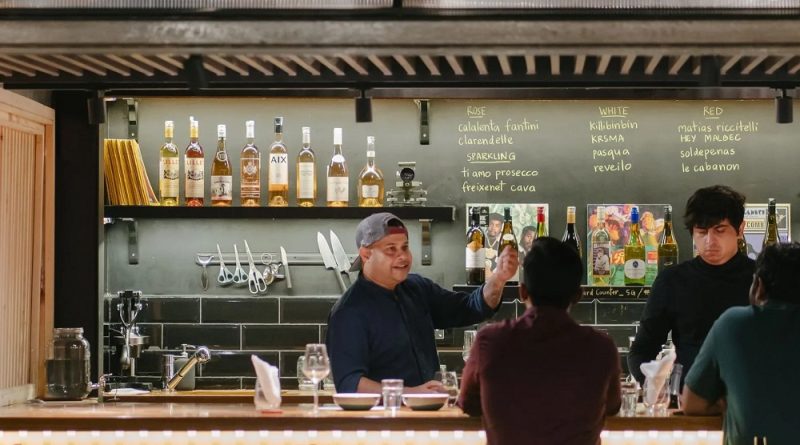
Natural wine bars have transitioned from a niche counter-culture movement to a dominant market force. This philosophy focuses on minimal human intervention in both the vineyard and the cellar.
-
Biodynamic farming: Vineyards operate as self-sustaining ecosystems, relying on lunar cycles and natural compost instead of synthetic pesticides or fertilizers.
-
Spontaneous fermentation: Winemakers use wild, native yeasts present on the grape skins rather than commercial, laboratory-engineered yeast strains.
-
Zero additives: The omission of filtering, fining agents, or added sulfur results in unique, living wines that offer unconventional flavor profiles, ranging from earthy and funky to bright and cider-like.
As a result, orange wines, which are white grapes fermented with skin contact, and Pet-Nats, naturally sparkling wines bottled before primary fermentation finishes, have become staple offerings in contemporary establishments.
Sustainability and Closed-Loop Bar Programs
Eco-conscious consumerism has forced the hospitality industry to re-evaluate its environmental footprint. Bars are notoriously wasteful operations, traditionally discarding massive quantities of organic matter, single-use plastics, and glass every single night. The future of bars lies in closed-loop systems designed to eliminate waste entirely.
Forward-thinking beverage directors are looking at every ingredient as a multi-use asset. Leftover citrus peels from the juicing process are transformed into oleo-saccharum, a rich syrup used to sweeten cocktails. Spent coffee grounds are infused into sweet vermouth, and leftover wine is oxidized intentionally to create house-made vinegars or reduction glazes for savory drinks.
Beyond the ingredients, sustainability extends to the physical bar infrastructure. Many wine bars are phasing out traditional heavy glass bottles in favor of wine-on-tap systems. Kegged wine drastically reduces shipping weights, lowers carbon emissions, and ensures that every single pour is perfectly fresh by eliminating the risk of oxidation or cork taint.
Technological Integration and Hyper-Personalization
Technology is seamlessly weaving its way into the social experience of bars, optimizing operational efficiency while personalizing the guest journey. Self-service wine dispensaries allow customers to explore extensive wine lists at their own pace. By utilizing automated preservation systems, guests can purchase a one-ounce taste, a three-ounce half-glass, or a full pour of rare, ultra-premium vintages that would otherwise never be opened for by-the-glass programs.
Behind the bar, artificial intelligence is beginning to play a role in inventory management and recipe development. AI-powered software tracks consumer purchasing data in real time, predicting local micro-trends and allowing bars to adjust their ordering dynamically to minimize dead stock. On the floor, interactive digital menus provide deep-dive information regarding flavor matrices, food pairings, regional geography, and winemaker bios, turning a standard menu browse into an educational experience.
Alternative Wine Packaging and Casualization
The rigid etiquette traditionally associated with wine culture is rapidly dissolving. The historical image of the stuffy sommelier inspecting a cork is being replaced by a more approachable, casual environment designed to welcome novices and connoisseurs alike.
A major catalyst for this change is the acceptance of alternative wine packaging. High-quality premium wine is no longer exclusive to glass bottles sealed with natural cork. Winemakers are increasingly utilizing:
-
Aluminum cans: Ideal for single servings, picnics, and casual outdoor venues where glass is prohibited.
-
Boxed wine and pouches: Modern vacuum-sealed bags preserve wine for weeks after opening, drastically reducing waste and offering a much lower carbon footprint during transport.
-
Screw caps: Widely adopted even among high-end estates in New Zealand and Australia, ensuring consistency and eliminating cork spoilage.
This casualization demystifies the beverage, encouraging exploration and removing the intimidation factor that historically alienated younger demographics from the wine market.
Hyper-Local and Culturally Significant Ingredients
As global supply chains present ongoing challenges and consumers look for authentic cultural connections, bars are turning their attention to local foraging and regional spirits. Rather than relying entirely on mass-imported spirits and tropical fruits shipped across the globe, local mixologists are highlighting what grows in their immediate geographic backyard.
This movement involves partnering with local urban farms or foraging for wild botanicals, roots, and berries unique to the region. Furthermore, there is a booming interest in culturally specific, heritage spirits that have historically been overlooked in Western cocktail bars. Spirits like Mexican mezcal, raicilla, and sotol, Japanese shochu, and Brazilian cachaca are stepping into the spotlight, celebrated for their unique production methods and deep historical ties to their lands of origin.
Frequently Asked Questions
What exactly is the difference between natural wine and organic wine?
Organic wine is made from grapes grown without synthetic chemicals or pesticides, but winemakers can still use additives, heavy filtration, and commercial yeasts during the cellar processing stage. Natural wine takes this a step further by requiring organic farming in the field combined with absolutely minimal intervention in the cellar, meaning no added sugars, no commercial yeasts, no heavy filtering, and little to no added sulfites.
Do non-alcoholic spirits actually taste like real alcohol?
They are not designed to perfectly replicate the exact burn of ethanol, but high-quality non-alcoholic spirits successfully mimic the structural mouthfeel, bite, and aromatic complexity of traditional spirits. They use botanical distillates, extracts, and spices like black pepper, ginger, and capsaicin to create a sophisticated sensory experience that holds up well when mixed into cocktails.
How does wine on tap stay fresh compared to a standard bottle?
Wine-on-tap systems house the liquid inside stainless steel kegs or specialized plastic bladders. As the wine is dispensed, inert gas like nitrogen or argon fills the empty space in the container. This prevents oxygen from ever touching the remaining liquid, ensuring that the last glass poured from the keg tastes exactly as fresh as the very first pour.
Why are orange wines classified separately from white and red wines?
Orange wine, also known as skin-contact white wine, is made using white wine grapes, but instead of pressing the juice away from the skins immediately, the skins are left to macerate with the juice for days, weeks, or even months. This process extracts tannins, phenols, and amber-orange pigments, giving the wine a distinct color, heavier body, and more complex, savory flavor structure than traditional white wine.
Are canned wines lower in quality than bottled wines?
Historically, canned wine was associated with cheap, bulk products, but that is no longer the case. Many independent, high-end boutique winemakers now use aluminum cans to package premium, vintage-specific wines. The cans are lined with a protective coating to prevent any metallic taste, making them an excellent, eco-friendly option for early-consumption wines that do not require decades of cellar aging.
What is a closed-loop cocktail program?
A closed-loop cocktail program is a sustainable bartending method where waste is minimized by repurposing byproducts into new ingredients. For example, instead of throwing away citrus pulps, leftover herbs, or fruit trimmings, a closed-loop bar will convert those items into flavored syrups, sodas, dehydrated garnishes, or bitters, creating a circular system where almost nothing goes into the trash.
How does climate change affect the types of wine available in bars?
Rising global temperatures are forcing traditional wine regions to adapt to changing harvest windows and fluctuating grape sugar levels. This environmental shift has caused cooler regions to successfully grow varieties they previously could not, while traditional regions are experimenting with heat-tolerant grape varieties. Consequently, wine bar lists are increasingly featuring unexpected geographic origins, such as sparkling wines from England or robust reds from non-traditional microclimates.