
What Makes a Restaurant Feel Truly Memorable
A good meal can be enjoyable, but a memorable restaurant experience usually comes from more than the food alone. The setting, service, atmosphere, ingredients and sense of place all work together. For diners looking for a fine dining restaurant in Bangkok, the appeal often lies in finding somewhere that feels considered, personal and rooted in a clear culinary identity rather than simply polished for the sake of it.
Food Should Tell a Clear Story
The strongest restaurants usually have a point of view. They are not just serving expensive ingredients or attractive plates. They are expressing an idea through the menu, whether that idea is based on regional cooking, seasonal produce, family traditions, modern technique or a particular cultural influence.
This is especially important in a city like Bangkok, where food is everywhere. Diners can find everything from street food and casual noodle shops to tasting menus and elegant destination restaurants. Fine dining has to offer something different without losing the warmth and generosity that make food enjoyable.
A memorable menu should feel coherent. Each dish may stand alone, but the meal should still have a rhythm. Flavours, textures and presentation should build naturally, giving diners a reason to remember the experience beyond one impressive course.
Ingredients Matter, But So Does Restraint
Quality ingredients are central to good cooking, but they do not need to be overworked. In many cases, the best dishes are built around restraint, balance and respect for the produce. A chef’s skill is often shown in knowing what to leave alone.
Fresh herbs, carefully prepared vegetables, well-sourced meat or seafood, and thoughtfully made sauces can all create depth without unnecessary complexity. The aim should be flavour first. Presentation matters, but it should support the dish rather than distract from it.
In fine dining, small details can change the whole experience. Temperature, seasoning, texture and timing all need to be right. A dish may look simple, but if every element is handled properly, it can feel far more satisfying than something overly elaborate.

Service Should Feel Attentive, Not Stiff
Service plays a huge part in how a restaurant is remembered. Good service should make diners feel looked after without making the meal feel formal or uncomfortable. There is a balance between professionalism and ease.
Attentive staff understand when to explain a dish, when to refill a glass and when to give guests space. They can answer questions clearly without making diners feel judged for asking. This matters because fine dining should feel welcoming, not intimidating.
The best service also reflects the pace of the table. A business dinner may need quiet efficiency. A special occasion may call for a more relaxed rhythm. A tasting menu may benefit from more explanation. Reading those cues is part of what makes hospitality feel natural.
Atmosphere Gives the Meal Its Shape
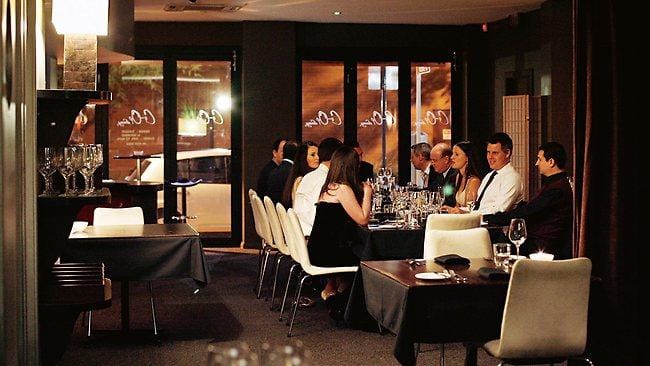
The room itself affects how people experience the food. Lighting, music, table spacing, décor, temperature and acoustics all influence whether a restaurant feels comfortable. A beautiful dining room can lose its appeal if it is too loud, too cold or too crowded.
Atmosphere should match the food and the occasion. Some restaurants feel theatrical, others intimate and calm. Neither approach is better by default. What matters is consistency. Diners should feel that the space, menu and service are working together.
In Bangkok, where the pace of the city can be intense, a restaurant that offers a sense of calm and focus can feel especially valuable. It gives guests time to slow down and properly enjoy the meal.
Value Is About the Whole Experience
Fine dining is rarely judged by portion size or price alone. Value comes from the quality of the ingredients, the skill of the kitchen, the service, the setting and the sense that the meal has been carefully thought through.
A restaurant does not need to be flashy to feel special. Sometimes the most memorable meals are the ones where everything feels quietly confident. The food is balanced, the service is warm, and the room allows conversation to flow easily.
A truly strong dining experience stays with people because it feels complete. The dishes are important, but so are the moments around them: the welcome, the pacing, the detail, the comfort and the feeling that the restaurant knows exactly what it wants to be.